
Book Appoinment
Services
Our Services


Breast Cancer Surgery
Breast cancer surgery is a key component of breast cancer treatment that involves removing the cancer with an operation. Breast cancer surgery may be used alone or in combination with other treatments, such as chemotherapy, hormone therapy, targeted therapy and radiation therapy.
For people with a very high risk of breast cancer, breast cancer surgery may be an option to reduce the risk of future breast cancer.
Breast cancer surgery includes different procedures, such as:
- Surgery to remove the entire breast (mastectomy)
- Surgery to remove a portion of the breast tissue (lumpectomy)
- Surgery to remove nearby lymph nodes
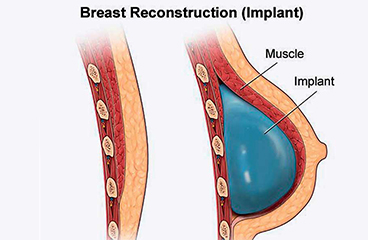
- Surgery to reconstruct a breast after mastectomy
Why it's done
The goal of breast cancer surgery is to remove cancer cells from your breast. For those who choose breast reconstruction, a procedure to place breast implants or reconstruct a breast from your own tissue (flap surgery) may be done at the same time or in a later operation.
Breast cancer surgery is used to treat most stages of breast cancer, including:
- A high risk of breast cancer. People with a high risk of breast cancer based on a strong family history of the disease, certain noncancerous breast biopsy results or a gene mutation might consider preventive (prophylactic) mastectomy with or without immediate breast reconstruction as an option to prevent breast cancer.
- Noninvasive breast cancer. People diagnosed with ductal carcinoma in situ (DCIS) may undergo lumpectomy, which may be followed by radiation therapy, though mastectomy with or without breast reconstruction may also be an option.
- Early-stage breast cancer. Small breast cancers may be treated with lumpectomy or mastectomy with or without breast reconstruction followed by radiation and, sometimes, chemotherapy, hormone therapy or targeted therapy.
- Larger breast cancers. Larger cancers may be treated with mastectomy, though sometimes chemotherapy, hormone therapy or targeted therapy is used before surgery to make it possible to perform a lumpectomy. Additional treatment with radiation therapy, chemotherapy, hormone therapy or targeted therapy may be recommended.
- Locally advanced breast cancers. Breast cancers that are very large or have spread to several lymph nodes are often treated first with chemotherapy, hormone therapy or targeted therapy to shrink the tumor and make surgery more successful. These cancers may be removed using mastectomy or lumpectomy, followed by radiation therapy.
Types of Breast Surgery
Lumpectomy
Breast Lumpectomy or lump excision literally means to remove the lump completely.
For a suspected cancer, certain tests may be carried out prior to a lump excision.
If the FNAC/ trucut Core biopsy is diagnostic of a cancerous lump, wide excision of the breast lump may be carried out along with axillary clearance as part of breast conserving surgery.
However, if the above tests are inconclusive, lumpectomy may be carried out for a definitive diagnosis.